
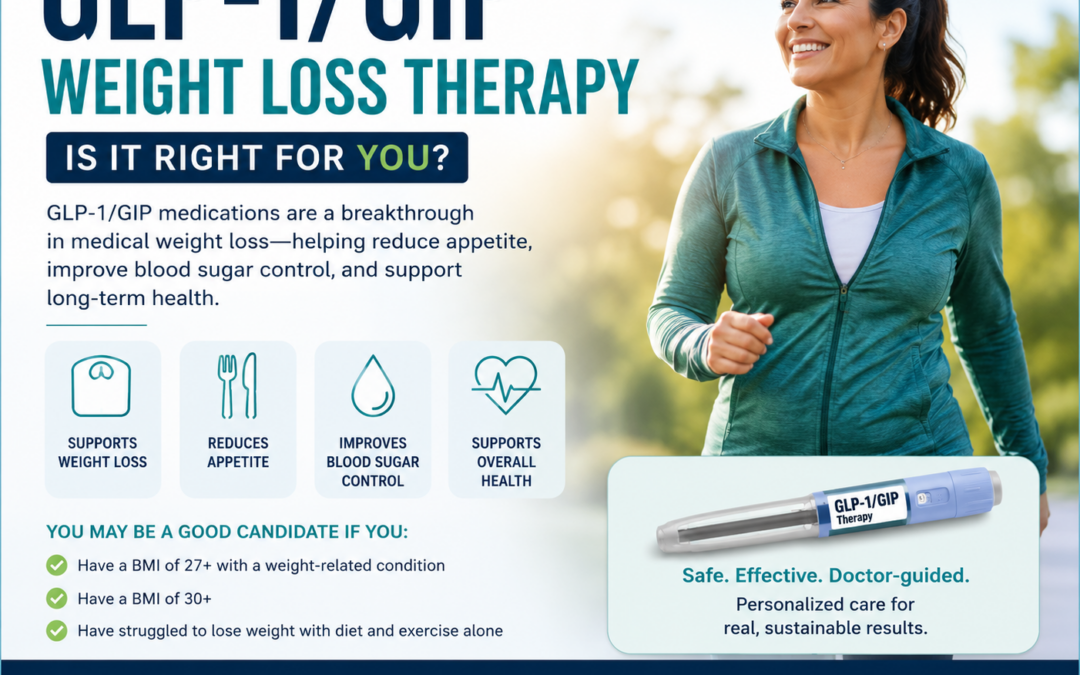
For many people, losing weight isn’t simply a matter of eating less and exercising more. Obesity is now recognized as a chronic medical condition influenced by genetics, hormones, metabolism, medications, stress, sleep, and lifestyle. Fortunately, advances in medical treatment have created new options for patients who have struggled with traditional weight-loss methods.
What Are GLP-1/GIP Medications?
GLP-1 (glucagon-like peptide-1) and GIP (glucose-dependent insulin-tropic polypeptide) are hormones naturally produced by the body after eating. These hormones help regulate blood sugar, signal fullness to the brain, and slow the rate at which the stomach empties.
Some prescription medications are designed to mimic these hormones, helping many patients:
Feel fuller sooner
Reduce hunger and food cravings
Eat smaller portions more comfortably
Support gradual, sustained weight loss when combined with healthy lifestyle changes
Who May Benefit?
Medical weight-loss therapy may be appropriate for adults who:
Have obesity or are overweight with certain weight-related medical conditions
Have struggled to lose weight through diet and exercise alone
Are motivated to make long-term lifestyle changes
Want a medically supervised approach rather than fad diets
A comprehensive medical evaluation is the best way to determine whether this type of treatment is appropriate.
More Than Weight Loss
Excess weight can increase the risk of several chronic health conditions, including:
Type 2 diabetes
High blood pressure
Obstructive sleep apnea
High cholesterol
Heart disease
Joint pain and osteoarthritis
Fatty liver disease
Even modest weight loss can improve overall health and quality of life for many people.
Treatment Is About More Than Medication
Successful weight management combines medication, when appropriate, with healthy nutrition, regular physical activity, adequate sleep, stress management, and ongoing medical follow-up. Medications are one part of a comprehensive treatment plan—not a substitute for healthy habits.
Are There Side Effects?
Like all prescription medications, GLP-1/GIP therapies can cause side effects. The most common include nausea, constipation, diarrhea, vomiting, or stomach discomfort, particularly when treatment begins or doses increase. Most side effects are mild to moderate and often improve over time, but some patients may experience more serious adverse effects. Your healthcare provider will review the benefits and risks based on your medical history.
Is Medical Weight Loss Right for You?
Every patient is different. The decision to begin GLP-1/GIP therapy should be made after a thorough medical evaluation, discussion of treatment goals, review of your medical history, and consideration of alternative options.
If you’ve been frustrated by repeated attempts to lose weight, a medically supervised weight management program may offer a new path forward. The goal is not simply to lose weight—it is to improve your overall health, reduce health risks, and help you achieve lasting lifestyle changes.
If you have questions about medical weight-loss therapy or wonder whether you may be a candidate, schedule a consultation with our clinic. Together, we can discuss your goals and develop a personalized treatment plan based on your individual needs.
Continue Reading: If you’re considering physician-supervised medical weight loss, don’t miss our related article, Beyond Weight Loss: 7 Health Benefits of Tirzepatide You Should Know About, where we discuss how this innovative GLP-1/GIP medication may help improve overall health while supporting sustainable weight loss
Please schedule a telehealth appointment with DPC Medical.