Medical cannabis is often discussed as though it provides only one benefit: pain relief. In reality, cannabinoids interact with systems involved in pain perception, nausea, appetite, muscle movement, sleep, mood, and neurological signaling. That does not mean medical...
Medical cannabis is increasingly considered by patients living with chronic pain, post-traumatic stress disorder, cancer-related symptoms, muscle spasms, and other health conditions. However, medical cannabis is not appropriate for everyone—and obtaining a medical...
When inflammation causes pain, most people reach for ibuprofen. It’s inexpensive, widely available, and backed by decades of research. But as medical cannabis becomes more widely accepted, many patients wonder whether cannabis could be a safer or even better...
If you’re waiting for Wisconsin to approve a medical cannabis program, you’re not alone. One of the most common questions we hear is: When will Wisconsin patients actually be able to get a medical cannabis certification? Although no one can predict exactly...
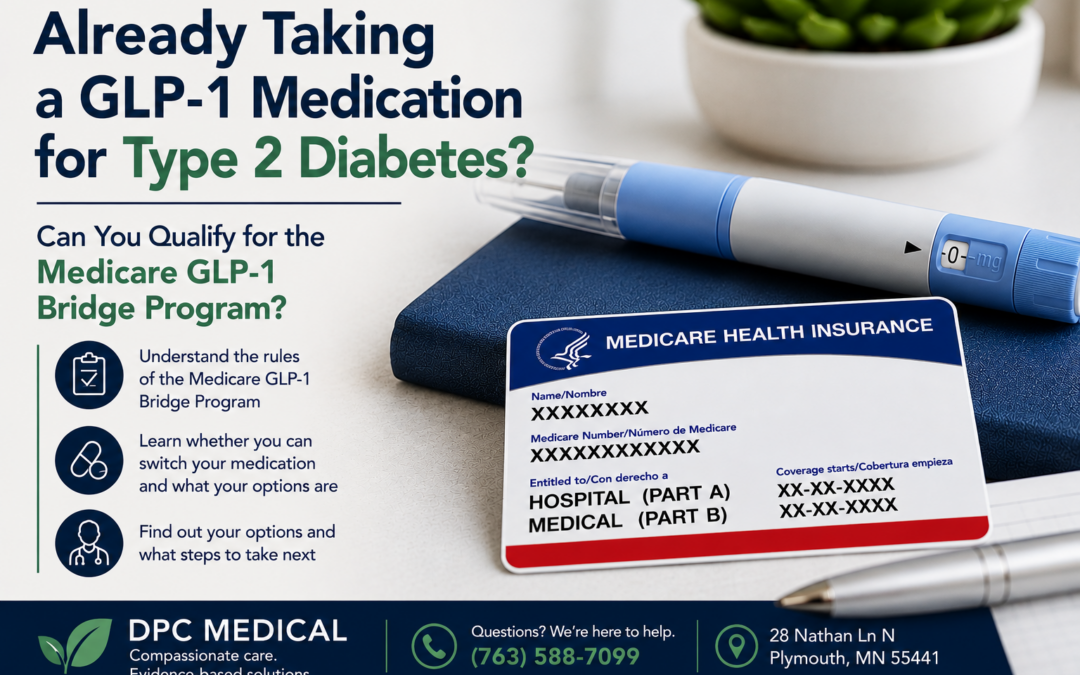
The short answer is generally no. If you already receive coverage for a GLP-1 medication such as Ozempic® through your Medicare Part D prescription drug plan for Type 2 diabetes, you generally cannot switch to the Medicare GLP-1 Bridge Program. The Bridge Program was...