
If you’ve heard about Zepbound® (tirzepatide) and are wondering whether Medicare will help pay for it in 2026, you’re not alone. Millions of older Americans struggle with obesity and its complications, including heart disease, sleep apnea, arthritis, high blood pressure, and prediabetes. Until recently, Medicare generally did not cover medications prescribed solely for weight loss.
That changed in 2026 with the introduction of the Medicare GLP-1 Bridge Program, a temporary Centers for Medicare & Medicaid Services (CMS) demonstration designed to improve access to certain FDA-approved GLP-1 and GIP medications for eligible Medicare beneficiaries.
The Short Answer
Yes—eligible Medicare beneficiaries may be able to obtain Zepbound® in 2026, but not through traditional Medicare Part D coverage for obesity alone.
Instead, eligible patients may qualify through the Medicare GLP-1 Bridge Program, which began on July 1, 2026. Under the program, qualifying beneficiaries can receive certain covered medications for a monthly copayment of no more than $50.
What Is Zepbound®?
Zepbound® is the brand name for tirzepatide, a once-weekly injectable medication developed by Eli Lilly.
It works by activating both:
- GLP-1 receptors
- GIP receptors
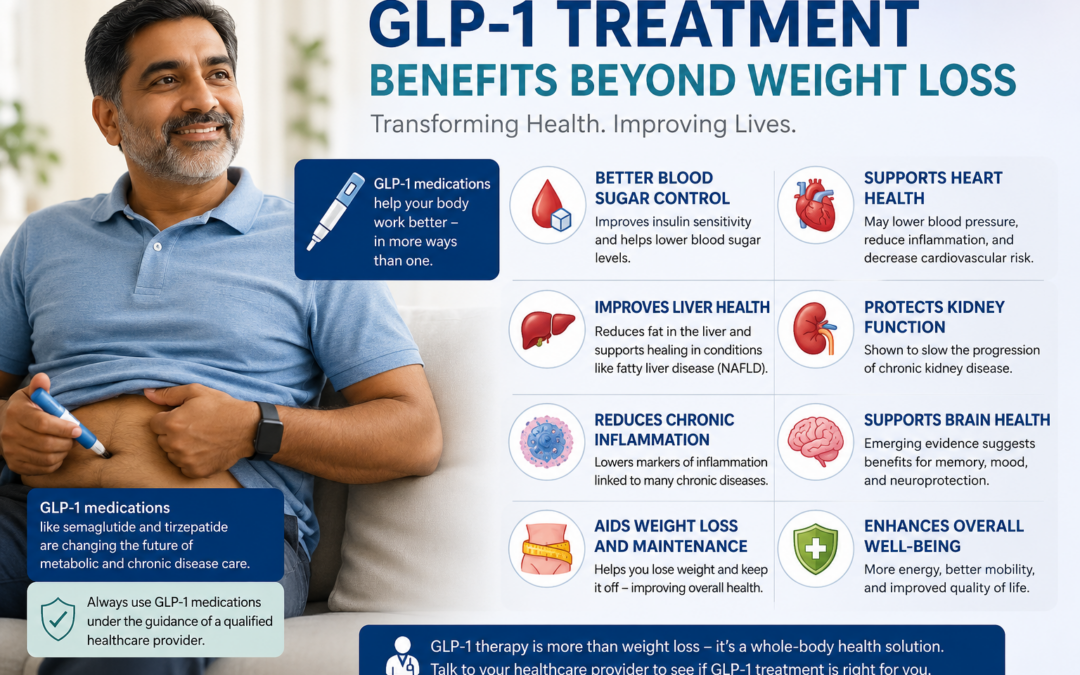
This dual action helps:
- Reduce appetite
- Increase feelings of fullness
- Improve blood sugar regulation
- Promote significant weight loss when combined with healthy lifestyle changes.
Why Isn’t Regular Medicare Part D Enough?
Federal law has historically prevented Medicare Part D from covering medications prescribed only for weight loss.
However, Medicare has covered certain GLP-1 medications when prescribed for FDA-approved indications such as:
- Type 2 diabetes
- Certain cardiovascular conditions
- Other approved medical conditions depending on the medication
Because obesity has become a major contributor to chronic disease and rising healthcare costs, CMS introduced the Medicare GLP-1 Bridge Program to evaluate expanded access for eligible beneficiaries.
Is Zepbound® Included?
Yes.
CMS lists Zepbound® KwikPen® as one of the medications available through the Medicare GLP-1 Bridge Program for eligible patients.
Who May Qualify?
Although each patient requires an individual medical evaluation, eligibility generally includes:
- Medicare Part D or eligible Medicare Advantage prescription drug coverage
- Obesity or overweight meeting program criteria
- A healthcare provider’s prescription
- Prior authorization when required
- Participation in a medically supervised weight management program, including nutrition and physical activity counseling.
Who May Not Qualify?
Many people already receive GLP-1 medications through traditional Medicare because of another covered condition.
For example, if Medicare already covers your GLP-1 medication because you have:
- Type 2 diabetes
- Certain cardiovascular indications
- Other Medicare-covered uses
you generally would continue obtaining your medication through that existing benefit rather than the Bridge Program. Eligibility depends on your specific medical situation and Medicare coverage.
How Much Does Zepbound® Cost?
Without insurance assistance, Zepbound® can cost hundreds of dollars each month.
For eligible patients participating in the Medicare GLP-1 Bridge Program, the monthly copayment is limited to $50 for a 30-day supply of covered medication.
Why Is This Important?
Obesity increases the risk of numerous chronic medical conditions, including:
- Heart disease
- Stroke
- High blood pressure
- Type 2 diabetes
- Osteoarthritis
- Obstructive sleep apnea
- Fatty liver disease
Clinical trials have demonstrated that Tirzepatide produces substantial weight loss while improving many obesity-related health measures when combined with lifestyle modification. These findings have helped shape ongoing discussions about expanding access to effective obesity treatment.
Frequently Asked Questions
Does Medicare Part D normally cover Zepbound® for weight loss?
Generally, no. Coverage for obesity treatment in 2026 is available for eligible beneficiaries through the Medicare GLP-1 Bridge Program rather than routine Part D coverage.
Can people with Medicare Advantage qualify?
Many Medicare Advantage beneficiaries who have prescription drug coverage may also qualify if they meet the program requirements. Coverage details depend on individual eligibility and program rules.
Will everyone with obesity qualify?
No. Medical eligibility, Medicare enrollment, and other program requirements must be met before coverage is approved.
Is the Medicare GLP-1 Bridge Program permanent?
No. At present, CMS describes it as a demonstration program that currently extends through December 31, 2027, while additional data are collected to inform future policy decisions.
Final Thoughts
For many Medicare beneficiaries, the Medicare GLP-1 Bridge Program represents the first meaningful opportunity to access medications such as Zepbound® at a significantly lower out-of-pocket cost.
If you believe you may qualify, speak with your healthcare provider to determine whether Zepbound® is appropriate for you and whether you meet the eligibility requirements for the Medicare GLP-1 Bridge Program.
At DPC Medical–Dodson Pain Consultants, we help patients understand their treatment options and determine whether they may qualify for medically supervised weight loss therapy. If you would like to learn more, visit our Medical Weight Loss page or contact our office to schedule a consultation.
Interested in learning more about the GLP-1 Bridge Program? Read our article titled: Medicare’s GLP-1 Bridge Program: Everything you Need to Know Beginning July 1, 2026.
References
- U.S. Food and Drug Administration (FDA). FDA Approves Zepbound® (tirzepatide) as the First Medication for the Treatment of Moderate-to-Severe Obstructive Sleep Apnea in Adults with Obesity. December 20, 2024. This approval created the pathway for Medicare coverage when Zepbound is prescribed for obstructive sleep apnea.
- Centers for Medicare & Medicaid Services (CMS). Medicare GLP-1 Bridge. Updated June 2026. Describes the Medicare GLP-1 Bridge beginning July 1, 2026, including eligibility requirements, covered medications, and the $50 monthly copay.
- Medicare.gov. Weight Loss Drugs. Updated 2026. Official Medicare guidance describing which GLP-1 medications are available beginning July 1, 2026, including covered Zepbound® KwikPen® formulations and program eligibility.
- Nauck MA, Tuttle KR, Tschöp MH, Blüher M. Glucagon-Like Peptide-1 Receptor Agonists and Next-Generation Incretin-Based Medications: Metabolic, Cardiovascular, and Renal Benefits. The Lancet. 2026;407:892–908.
- Wong CK, Drucker DJ. Antiinflammatory Actions of Glucagon-Like Peptide-1-Based Therapies Beyond Metabolic Benefits. Journal of Clinical Investigation. 2025;135(21):e194751.
- Quintana L, Tabaza N, Kurt B, Kahles F. Anti-inflammatory Effects of GLP-1 Receptor Agonist Drugs. The Journal of Clinical Endocrinology & Metabolism. 2026.
- Centers for Medicare & Medicaid Services (CMS). Information for Medicare Part D Plans: Medicare GLP-1 Bridge. Updated June 2026. Provides implementation details, including eligible Zepbound formulations available through the demonstration program
Additional References
- Centers for Medicare & Medicaid Services. Medicare GLP-1 Bridge Program.
- Centers for Medicare & Medicaid Services. CMS Announces Medicare GLP-1 Bridge Program.
- Medicare.gov. Medicare GLP-1 Bridge: GLP-1 Drugs for $50 a Month.
- Eli Lilly and Company. Zepbound® Medicare Information.
- KFF. What to Know About the BALANCE Model for GLP-1s in Medicare and Medicaid.