
Many patients diagnosed with Obstructive Sleep Apnea (OSA) are prescribed CPAP therapy as part of their treatment plan.
While CPAP can be effective for some patients, others struggle with discomfort, poor sleep quality, mask issues, or difficulty tolerating the machine.
Patients often search for information about alternative options when CPAP becomes difficult to use consistently.
Call 📞 763-588-7099 to schedule a confidential evaluation.
What Is CPAP Intolerance?
CPAP intolerance refers to difficulty using or adjusting to Continuous Positive Airway Pressure (CPAP) therapy.
Some patients stop using their CPAP machine regularly because of:
Mask discomfort
Air pressure discomfort
Dry mouth
Claustrophobia
Trouble sleeping with the machine
Frequent awakenings
Difficulty traveling with equipment
Every patient experience is different.
Why Does Sleep Apnea Treatment Matter?
Untreated sleep apnea may contribute to:
Poor sleep quality
Chronic fatigue
Daytime exhaustion
Morning headaches
Difficulty concentrating
Irritability
Reduced quality of life
Many patients seek treatment because ongoing exhaustion begins affecting daily life, work performance, and overall wellness.
Are There Other Treatment Options for Sleep Apnea?
Some patients discuss additional treatment approaches with licensed healthcare providers or qualified dental professionals.
Depending on the patient’s condition and medical history, options may include:
CPAP therapy adjustments
Oral appliance therapy
Weight management strategies
Sleep position modifications
Further sleep evaluations
Treatment recommendations vary from patient to patient.
What Is Oral Appliance Therapy?
Oral appliance therapy involves a custom dental device designed to help support the airway during sleep.
Some patients prefer oral appliances because they may be:
Smaller than CPAP equipment
Easier to travel with
More comfortable for certain patients
Simpler to use nightly
Patients should discuss treatment suitability with qualified providers.
Can Sleep Apnea Qualify for the Minnesota Medical Cannabis Program?
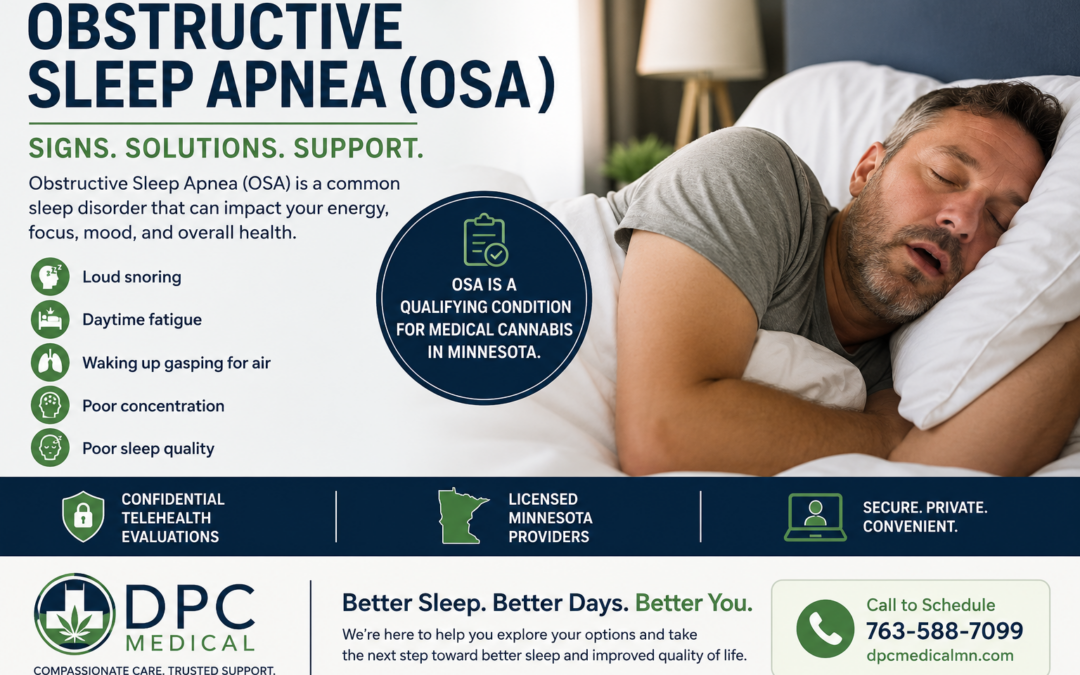
Obstructive Sleep Apnea is recognized as a qualifying condition within the Minnesota medical cannabis program.
Patients often seek evaluations to better understand available options and whether they may qualify.
Eligibility is determined during an evaluation with a licensed healthcare provider.
How the Evaluation Process Works
Step 1: Schedule an Appointment
Patients begin with a confidential evaluation.
Many appointments are completed through secure telehealth.
Patients often appreciate:
Privacy
Convenience
Fast scheduling
Simple online visits
Step 2: Provider Evaluation
During the visit, providers may review:
Medical history
Sleep apnea diagnosis
Prior treatments
CPAP use
Symptoms and concerns
If the provider determines the patient qualifies, certification may be submitted to the Minnesota medical cannabis program.
Frequently Asked Questions
“Do I have to use CPAP forever?”
Treatment recommendations vary depending on the patient’s medical history and severity of sleep apnea.
“Can I complete the evaluation online?”
Yes. Many evaluations are completed through confidential telehealth appointments.
Are oral appliances available in Minnesota?
Some qualified dental providers offer oral appliance therapy for appropriate patients.
Final Thoughts
Patients struggling with CPAP intolerance often search for:
Better sleep
More comfortable treatment options
Confidential evaluations
Guidance from licensed providers
DPC Medical offers confidential telehealth evaluations for Minnesota patients.
✔ Licensed providers
✔ Secure telehealth appointments
✔ Simple process
✔ Fast scheduling availability
📞 763-588-7099
Looking for an alternative to CPAP? Request a consultation here: